12 Big Mistakes When Planning a Loft Conversion
How to Avoid the Worst Loft Conversion Mistakes
Planning a loft conversion can be exciting. After all, it’s one of the best ways to add extra living space without building an extension. A loft can become a new bedroom, office, hobby room, or even a quiet hideaway. However, loft conversions are also known for going wrong when small mistakes are made early on.
From skipping planning checks to choosing the wrong builder or forgetting about ventilation, there are many things that can cause stress, delays, or extra costs. This guide explains the most common mistakes people make when planning a loft conversion—and how you can avoid them.
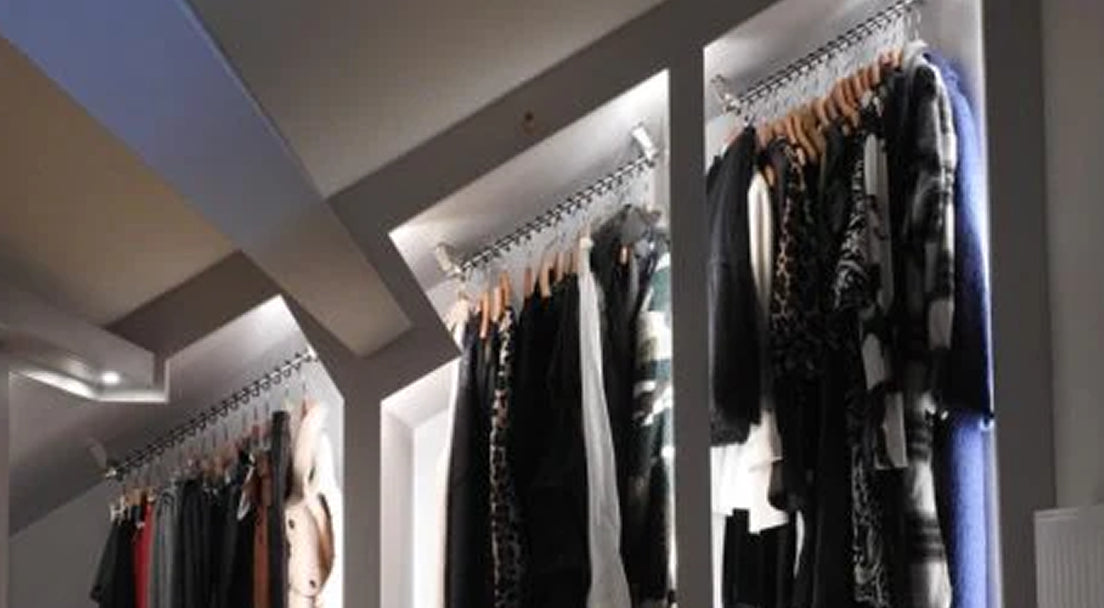
Toward the end, we’ll also look at one smart idea for handling awkward sloped ceilings or angled wardrobe spaces using a simple tool: an angled wardrobe rail, like the Sloped Ceiling Clothes Rail by ZEBEDEE HANGING RAIL, which works beautifully in lofts. But first, let’s cover the bigger planning mistakes that matter most.

Why Loft Conversions Go Wrong: The Core Issue
Most loft conversion problems begin when people rush into building without proper planning. Lofts have sloped ceilings, hidden beams, and tricky access points. They may need structural support, fire safety upgrades, and specific building rules.
If you don’t understand these needs—or trust them entirely to someone who may overlook them—you might end up with:
- A loft that fails building regulations
- A room that overheats or gets damp
- A layout that wastes space
- Extra costs halfway through the project
- A design that doesn’t meet your goals
Let’s look at the biggest mistakes.
The 12 Most Common Loft Conversion Mistakes (and How to Avoid Them)
1) Not Checking Whether Your Loft Is Suitable
Many people assume any loft can be converted. Unfortunately, that’s not always true.
Common suitability checks include:
- Head height (you typically need at least 2.2m at the highest point)
- Roof structure (some roofs need strengthening)
- Access space for a staircase
- Room for fire safety features
Avoid this mistake by having a professional survey your loft early.

2) Skipping Local Planning Authority Checks
Even when a loft seems allowed under “permitted development,” you must still check:
- Conservation rules
- Local restrictions
- Roof height limits
- Dormer size and placement
- Window rules (especially facing neighbours)
Some people skip this step and are shocked when they must undo completed work.
Always check with your local planning authority before starting.
3) Failing to Review a Builder’s References and Past Work
This is one of the biggest mistakes—and the easiest to avoid.
Don’t just ask a builder for references. Actually:
- Visit past projects
- Contact previous customers
- Check their online presence and reviews on multiple platforms
- Ask for proof of insurance
- Look at their accreditation
A good builder will never hide past work. A bad one will.
4) Not Getting a Detailed Written Contract
Some homeowners accept a quick quote and a handshake. But without a detailed written contract, you risk:
- Extra surprise costs
- Work that isn’t finished
- Disagreements on materials
- Unclear timeframes
- Missing safety measures
Your contract should include:
- Timeline and deadlines
- Clear pricing and materials list
- Licensed waste removal plan
- Payment schedule
- Warranty details
Never start without it.
5) Underestimating the Real Budget
Loft conversions often involve hidden costs, such as:
- Structural beams
- Upgraded insulation
- Staircase design
- Fire doors
- Electrical safety upgrades
- Plumbing (if adding a bathroom)
Add at least 10–20% contingency to your budget. Most people wish they had.
6) Ignoring Fire and Safety Regulations
Loft conversions must follow strict safety rules. Common mistakes include:
- Inadequate fire escape routes
- Missing smoke alarms across all floors
- Not fitting fire-rated doors
- Blocked access paths
- Unsafe or steep staircases
These are not optional. They’re legal requirements and essential for your family’s safety.
7) Forgetting About Ventilation
Lofts get hot in summer, cold in winter, and can trap moisture. Poor ventilation causes:
- Condensation
- Mould
- Damp smells
- Poor air flow
- Discomfort year-round
You need:
- Proper insulation
- Ventilation gaps
- Windows that open
- (Sometimes) roof vents
A well-designed loft should feel as comfortable as any other room.
8) Poor Lighting Plan
Lofts often have low ceilings and corners that stay dark. The mistake people make is relying only on one ceiling light.
Instead, plan for:
- Skylights
- LED spotlights
- Wall lights
- Task lighting for desks or vanity spaces
- Lighting inside storage areas
Light is one of the biggest contributors to how large and usable a loft feels.
9) Not Planning the Staircase Early Enough
The staircase is usually the hardest part of a loft conversion. A poor plan can make:
- The landing too small
- The stairs too steep
- The room layout awkward
- The hallway cramped
- The loft fail building regulations
Plan the staircase layout before anything else.
10) Not Considering Noise and Soundproofing
A loft can easily become the loudest room or the most echo-prone. Many homeowners forget to add:
- Sound insulation in floors
- Acoustic plasterboards
- Quiet flooring
- Noise-reducing doors
Proper soundproofing makes the loft more comfortable for everyone.

11) Ignoring the Layout Until It’s Too Late
People often wait until the loft is nearly finished before deciding:
- Where the bed will go
- How storage fits
- Whether a desk will fit under the slope
- What size wardrobe is possible
- Is a walk in dressing room more practical
- Are under eaves pull out storage pods possible
- How the door will open
Lofts must be planned backwards—start with the layout and storage, then build around it.
12) Wasting Sloped or Awkward Spaces
Even though we are not focusing heavily on storage, it’s still true: sloped ceilings create tricky corners where normal furniture doesn’t fit. Many people leave these spaces empty or cluttered.
A simple fix is to use solutions made for angles—such as an angled wardrobe rail that fits the slope exactly and turns awkward corners into useful spaces. More on that later.
Planning forward may also allow unique storage like under eaves pull out hanging pods, that disappear into the roof void when not in use, or fabulous walk in dressing room rather than angled wardrobes.

Even though this article focuses less on storage, lofts naturally have sloped ceilings and awkward wardrobe angles. Standard wardrobes rarely fit these areas, which is why many homeowners use a simple, clever tool: an angled wardrobe rail.
The Sloped Ceiling Clothes Rail by ZEBEDEE HANGING RAIL is built for:
- Loft slanted ceilings
- Angled wardrobes
- Eaves cupboards
- Under-stairs spaces
Because it fits any angle, it helps turn unusable corners into neat, practical areas—with or without bespoke furniture.
It eliminates the need for awkward, wasteful triangular shelves and turns under eaves into superb, full-length hanging, leaving the full height areas for living space.
It’s a simple upgrade that makes your loft feel more complete and functional, especially once the main planning work is done.
Frequently Asked Questions About Loft Conversion Planning
What should I check before hiring a loft conversion builder?
Check references, visit past work, read reviews, and confirm insurance and qualifications.
Who decides whether I need planning permission?
Your local planning authority. Always check with them directly.
When is the best time to plan the layout?
Before construction starts—ideally during early design drawings.
Why are lofts tricky to design?
Because of sloped ceilings, limited head height, roof beams, and safety rules.
How can I make the most of awkward angled spaces?
Use furniture or tools designed for lofts—like an angled wardrobe rail for hanging clothes along a slope.